leading Red Deer top rated Roofing Company for roof installation
Defend Your Home: The Importance of Choosing the Right Roofing Company
Choosing the right roofing company is essential for preserving home safety and structural soundness. A properly vetted contractor can avoid costly repairs down the road. However, many homeowners overlook the importance of this decision. Understanding the key factors associated with choosing a roofing service can make all the difference. What should one consider to secure quality workmanship and reliable service? The answers may amaze you.
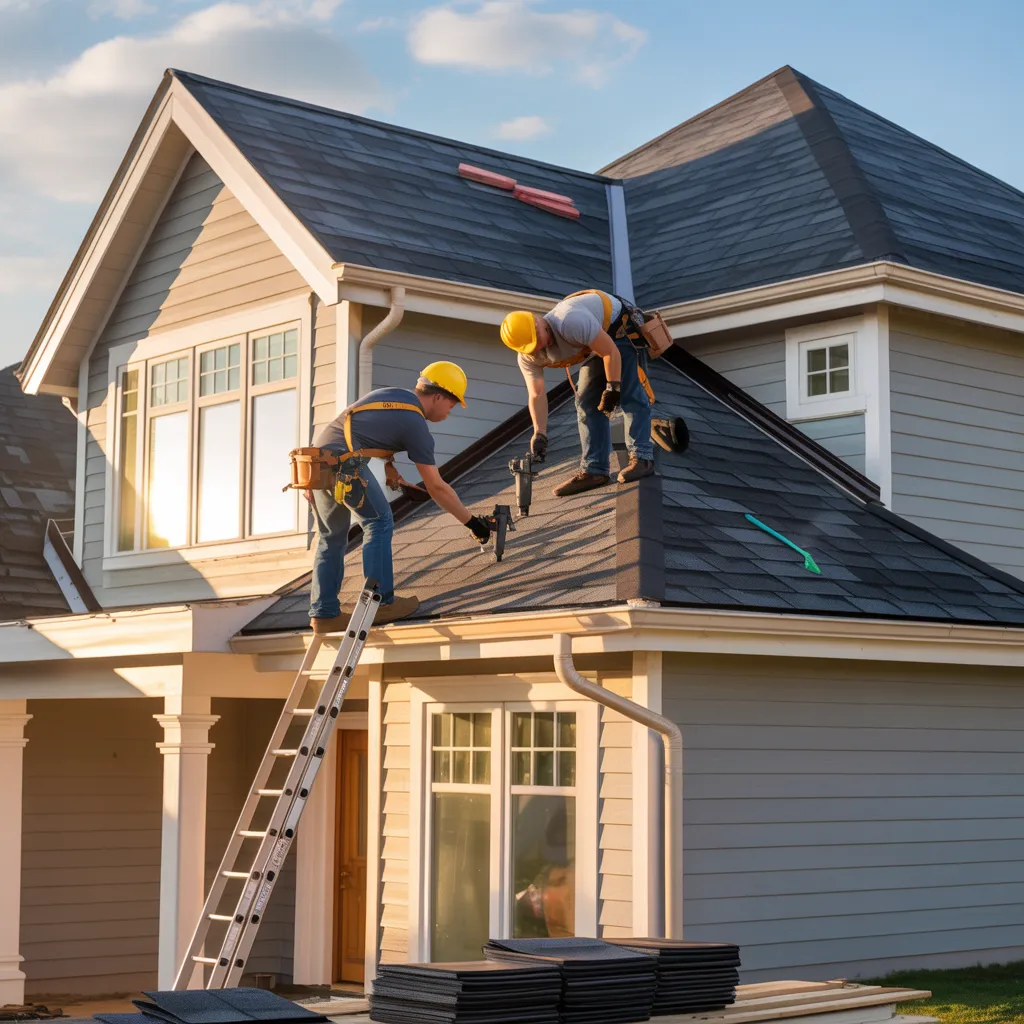
Why Your Roof Is Essential for Home Protection
Although often overlooked, a roof works as the foremost barrier between a home and the elements, making it essential for defending the structure and its inhabitants. A properly maintained roof protects against rain, snow, wind, and extreme temperatures, precluding potential damage that could threaten the integrity of the home. Additionally, it helps stabilize indoor linked article climate, promoting energy efficiency and comfort.
The roof also plays an important role in preventing mold and mildew formation, which can result in health concerns and high-cost repairs. Additionally, a sturdy roofing system improves the residence's overall curb appeal and market value. Homeowners should realize that neglecting roof maintenance can lead to significant repair expenditures down the line, along with dangers to personal safety. As a result, understanding the importance of a quality roof is crucial for lasting home protection and providing a safe living environment for all residents.
Questions to Ask When Hiring a Roofing Contractor?
While selecting a roofing contractor, what important questions should homeowners think about to verify they make an informed decision? One critical inquiry is whether the contractor maintains the required licenses and insurance. This guarantees compliance with local laws and shields against potential liabilities. Homeowners should also inquire about the contractor's knowledge and competence in certain roofing materials and styles, as this can dramatically impact the quality of work. Additionally, it is vital to request recommendations from past clients to gauge satisfaction levels and reliability. Homeowners should ask about warranties on both materials and workmanship, as these can offer peace of mind. Finally, discussing the timeline for project completion and payment schedules can help establish expectations. By considering these questions, homeowners can better evaluate the qualifications of potential roofing contractors and make a more informed decision for their roofing needs.
Important Qualities of a Reliable Roofing Contractor
When choosing a roofing contractor, certain essential traits can signal reliability. These include validating licenses and insurance, as well as assessing the contractor's experience and expertise in the field. Ensuring these factors can help homeowners make informed decisions and secure quality work.
Licensing And Insurance Verification
Before hiring a roofing contractor, verifying their licensing and insurance is essential to guarantee a reliable partnership. A licensed contractor exhibits adherence to local regulations and industry standards, establishing that they hold the necessary skills and knowledge for the job. Insurance is just as crucial; it safeguards homeowners from potential liabilities that may emerge during the roofing process. If an accident occurs or damage is inflicted on the property, having a contractor with proper insurance coverage assures that the homeowner will not bear the financial burden. Therefore, homeowners should request documentation and confirm the authenticity of the contractor's licenses and insurance policies. This verification step is important in creating trust and safeguarding the investment in their roofing project.
Proficiency And Experience Levels
While proper licensing and insurance coverage are vital, the experience and expertise levels of a roofing contractor are equally important markers of trustworthiness. A contractor with substantial expertise is more likely to address unexpected challenges that may arise during a roofing project. Their knowledge of various roofing materials and techniques ensures they can provide excellent craftsmanship customized for specific needs. Additionally, a reputable contractor typically has a portfolio featuring past work, which gives insight into their competencies. Expertise is also reflected in their understanding of local building codes and regulations, guaranteeing compliance throughout the installation process. In the end, selecting a contractor with a proven track record in skill and knowledge significantly increases the likelihood of a successful roofing project.
Dangers of Hiring an Unqualified Roofer
Engaging an unqualified roofer can result in substantial risks and high-cost consequences for homeowners. Lack of training or experience may lead to poor workmanship, jeopardizing the roof's integrity. This can lead to leaks, structural damage, and ultimately mold growth, which can have severe health implications for residents. Moreover, unqualified roofers may overlook important permits and safety regulations, exposing homeowners to legal liabilities.
Furthermore, the absence of adequate insurance coverage may leave homeowners financially liable for any accidents or injuries that happen during the roofing work. Unqualified contractors are also unlikely to provide warranties or guarantees, making homeowners exposed to additional repair costs in the future. Ultimately, the risks of hiring an unqualified roofer go beyond immediate financial concerns, affecting the long-term safety and value of the home. Homeowners should emphasize choosing a qualified roofing professional to reduce these risks.
The Process of Verifying Roofing Company Credentials
Confirming a roofing company's credentials is essential for guaranteeing quality service. This process includes verifying their license, reviewing insurance coverage, and assessing their experience and portfolio. Each of these steps can help homeowners to make informed decisions and avoid potential problems.
License Validation Procedure
A thorough license verification process is vital for confirming that a roofing company operates legally and meets industry standards. Homeowners should start by checking the licensing requirements particular to their state or region, as these can vary significantly. This often involves going to the appropriate state or local regulatory body's website, where a list of licensed contractors can typically be found. Additionally, homeowners should request and verify the roofing company's license number directly, ensuring it remains active and in good standing. It is prudent to ask about any past violations or complaints associated with the company's licensing. This proactive approach not only secures the homeowner's investment but also fosters accountability within the roofing industry.
Insurance Coverage Confirmation
Before choosing a roofing company, it is vital to confirm that they maintain adequate insurance coverage, as this shields both the homeowner and the workers involved. Homeowners should request proof of insurance, including liability and workers' compensation coverage. This documentation guarantees that, in the event of an accident or damage, the homeowner is not held financially responsible. It is advisable to contact the insurance provider directly to validate the policy's validity and coverage limits. Additionally, homeowners should be wary of companies that hesitate to provide this information, as it may indicate potential risks. By fully verifying a roofing company's insurance credentials, homeowners can secure their investment and facilitate a smoother roofing project.
Experience and Portfolio Assessment
Experience is crucial when choosing a reliable roofing company. Homeowners should focus on companies with considerable industry experience, as this often correlates with quality workmanship and expertise. Checking a company's portfolio is critical; it provides a glimpse of their previous projects and the variety of roofing styles they have handled. A well-documented portfolio exhibits successful installations and repairs, representing the company's capabilities. Additionally, examining customer testimonials and case studies can offer meaningful perspectives on client satisfaction and the company's reliability. Homeowners are urged to ask for references and validate the credentials of the roofing company. This thorough evaluation process confirms that the chosen contractor possesses the necessary skills and experience to protect one's home effectively.
Advantages of Investing in Quality Roofing Services
Putting money into quality roofing services can significantly increase the lifespan and performance of a property's roof. Homeowners who select experienced professionals benefit from superior materials and craftsmanship, producing roofs that can resist harsh weather conditions. This investment not only delivers immediate protection but also minimizes the likelihood of costly repairs in the future.
Additionally, reliable roofing contractors often supply warranties and guarantees, guaranteeing peace of mind for homeowners. These protections indicate the business's confidence in their work and products. Quality roofing services also involve thorough inspections, which can detect underlying issues before they escalate, safeguarding the overall integrity of the home.
Furthermore, a expertly installed roof can improve energy efficiency, bringing about lower utility bills. In general, the rewards of investing in quality roofing services stretch beyond mere aesthetics, contributing to the residence's value and safety for years to come.
Your Detailed Roofing Process
How does a homeowner navigate the roofing process from start to finish? Initially, they should conduct detailed research to find trustworthy roofing companies. This encompasses checking feedback, validating credentials, and acquiring referrals. Subsequently, homeowners should schedule initial meetings with several contractors to address their individual needs and gather estimates.
After selecting a contractor, the homeowner evaluates and enters into a detailed contract outlining the project scope, materials, and timeline. Prior to installation, the contractor may perform an inspection and secure required permits.
During the roofing project, homeowners should maintain open communication with the contractor, handling any concerns that come up. After completion, it's vital to conduct a final walk-through to verify all work meets expectations. In conclusion, homeowners should secure warranties and maintenance guidelines to safeguard their investment. By following these steps, homeowners can achieve a smooth and successful roofing experience.
Questions & Answers
How Long Should a Roofing Project Typically Take to Complete?
A roofing project typically takes between anywhere from a few days to two weeks to complete, contingent upon factors such as the size of the roof, weather patterns, and the installation complexity.
What Warranty Coverage Should I Expect From a Roofing Contractor?
In most cases, a well-established roofing company includes warranties that cover materials for 20-50 years and workmanship for five to ten years. Homeowners should evaluate these warranties to secure adequate protection against defects and potential issues.
Should You Consider Seasons When Planning Roofing Repairs or Installations?
Yes, seasonal considerations greatly influence roofing repair and installation projects. Weather patterns, temperature variations, and precipitation levels can affect material performance and worker safety, making spring and fall the best seasons for such projects.
How Do I Handle Roofing Emergencies or Leaks?
During roofing emergencies or leaks, you should first contain the issue by employing buckets or tarps. Afterward, reaching out to a professional roofing company without delay is crucial for proper assessment and repair to prevent further damage.
What Payment Methods Do Roofing Companies Typically Offer?
Professional roofing firms commonly offer diverse payment choices, including checks, cash, credit cards, and payment plans. Certain companies may also feature flexible payment arrangements or financing to cater to homeowners' financial circumstances, ensuring flexibility during the roofing process.